How Chinese Social Media Influencers Are Reshaping Global Marketing (2026 Guide)

As China’s digital economy continues to grow rapidly, the country has become one of the world’s most influential marketing ecosystems. With more than 1 billion internet users and highly active social media platforms, Chinese social media influencers are transforming the way brands connect with consumers.
From lifestyle recommendations on Xiaohongshu to livestream commerce on Douyin, influencer marketing in China has evolved far beyond traditional advertising. Today, Chinese KOLs (Key Opinion Leaders) play a central role in shaping trends, building trust, and driving purchasing decisions.
For international brands entering China, understanding the local social media landscape and developing a localised influencer strategy is now essential, and no longer optional.
Why Chinese Influencers Are Changing Digital Marketing
Chinese influencer marketing stands out by successfully combining entertainment, storytelling, and e-commerce into a single consumer experience.
Unlike traditional advertising, Chinese consumers are more likely to trust recommendations from creators and everyday users they follow online. Influencers no longer just promote, but have become trusted voices that bridge the gap between brands and audiences.
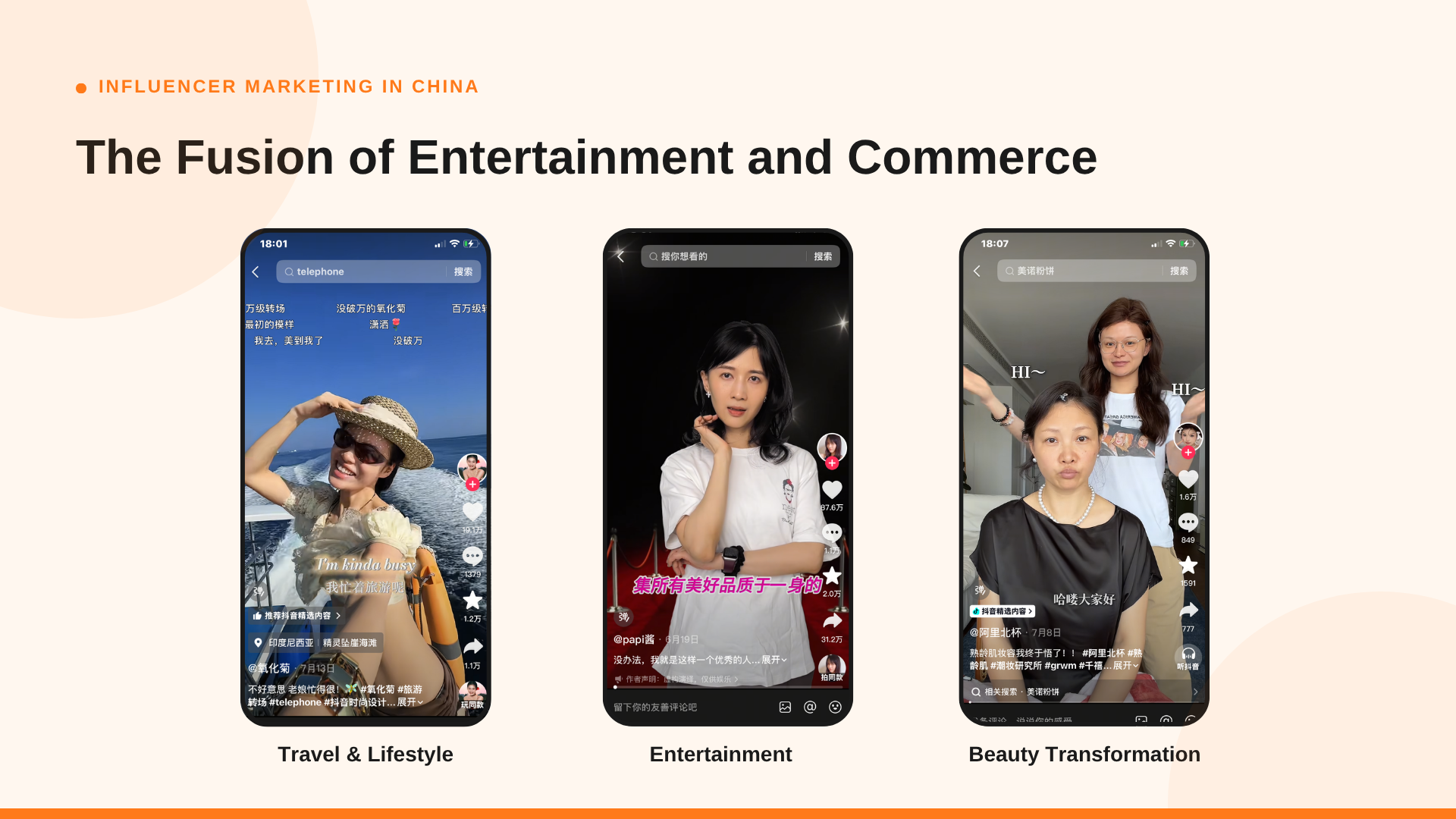
1. The Fusion of Entertainment and Commerce
Platforms like Douyin have completely changed the shopping experience by integrating content and e-commerce.
Influencers often create story-driven short videos that naturally feature products within real-life scenarios. Instead of feeling like advertisements, these videos feel entertaining and relatable, reducing consumer resistance and increasing purchase intent.
Livestream shopping has further accelerated this trend, allowing users to discover, interact with, and purchase products instantly.
2. Precision Targeting Through Algorithms
Chinese social platforms are powered by highly advanced recommendation algorithms.
Douyin, for example, analyses user behaviour, engagement, and interests to deliver personalised content feeds. This allows influencer campaigns to reach highly relevant audiences with exceptional efficiency.
As a result, brands can achieve stronger engagement while reducing wasted advertising spend.
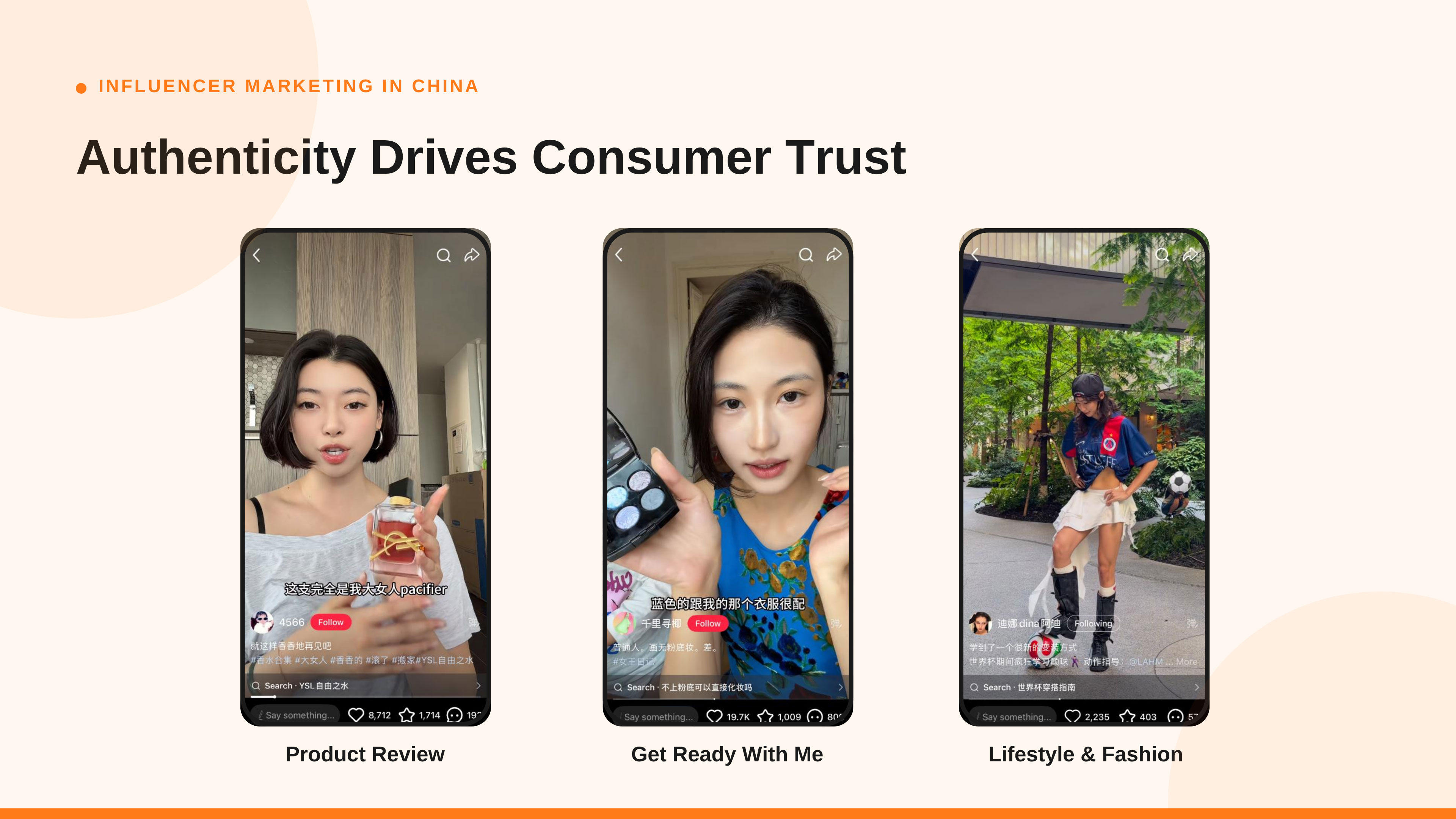
3. Authenticity Drives Consumer Trust
Authenticity has become one of the most important factors in China’s influencer economy.
Unlike traditional celebrity endorsements, many Chinese influencers share personal experiences, daily routines, product reviews, and behind-the-scenes content. This relatable style helps build stronger emotional connections with followers.
On platforms like Xiaohongshu, users actively seek genuine reviews and real-life recommendations before making purchasing decisions.
This is why many brands now collaborate not only with KOLs but also with KOCs (Key Opinion Consumers), whose content feels more organic and trustworthy.
Top Chinese Social Media Platforms for Influencer Marketing
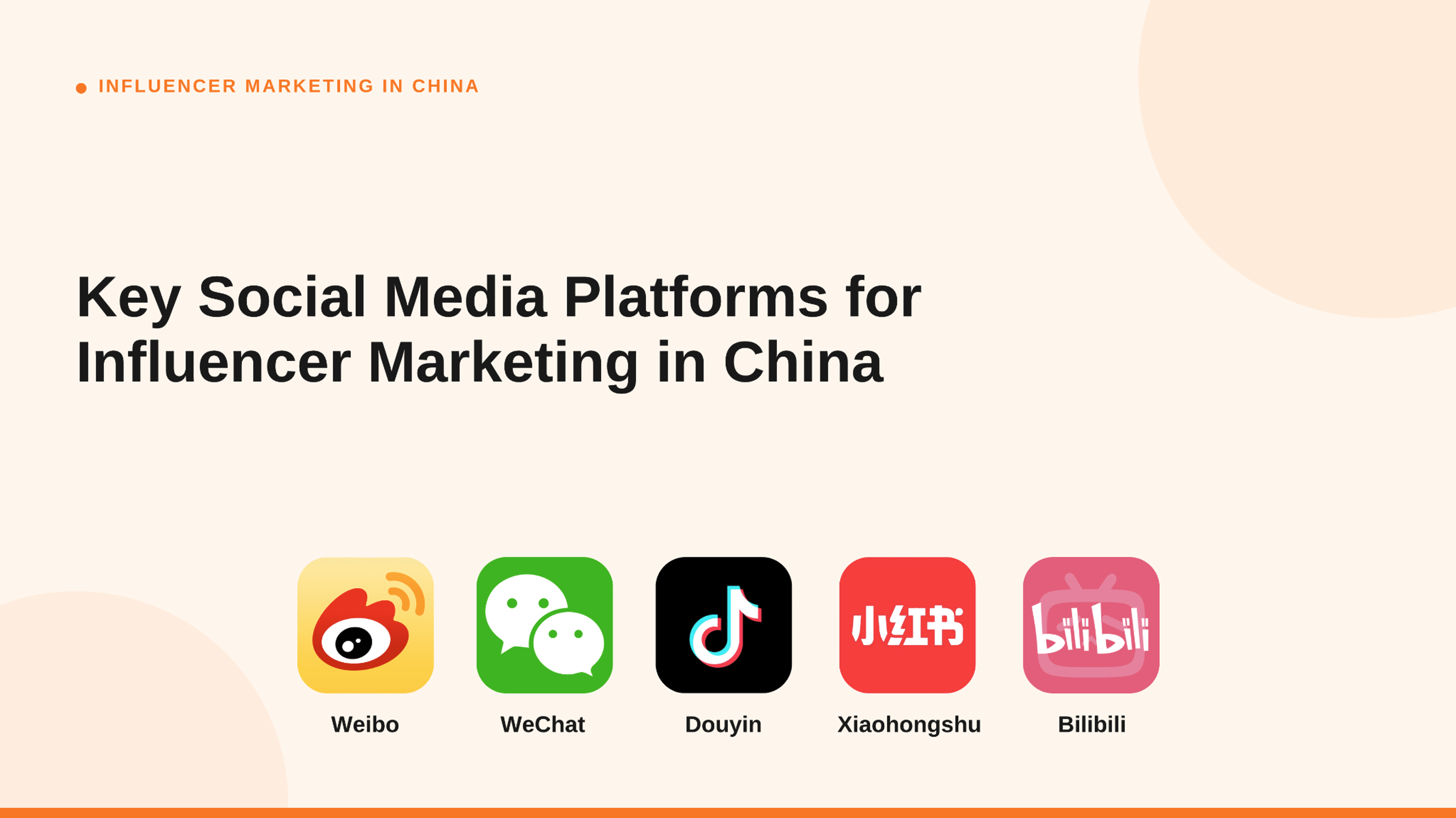
Each Chinese social media platform serves different audiences and marketing objectives. Choosing the right platform is critical for campaign success.
1. WeChat
WeChat remains China’s largest all-in-one social ecosystem.
It combines messaging, content publishing, payments, mini programs, and e-commerce within a single platform.
Best for:
● Private traffic and CRM
● Luxury branding
● Long-term customer relationships
● B2B marketing
Key advantages:
● High user retention
● Strong customer loyalty
● Ideal for community building and brand storytelling
2. Douyin
Douyin, the Chinese version of TikTok, is one of the most powerful short-video platforms in China.
It has evolved into a complete content-commerce ecosystem driven by algorithms and livestream sales.
Best for:
● Viral campaigns
● Product launches
● Livestream selling
● Younger audiences
Key advantages:
● Massive organic reach
● Strong conversion rates
● Fast content distribution
Many brands now rely on Douyin for both awareness and direct sales.
3. Xiaohongshu (RED)
Xiaohongshu is China’s leading lifestyle and product discovery platform.
Users rely heavily on authentic reviews, lifestyle content, and peer recommendations.
Best for:
● Beauty and skincare
● Fashion and lifestyle brands
● Brand awareness
● Consumer trust-building
Key advantages:
● High user trust
● Strong community engagement
● Ideal for “seeding” products through organic storytelling
For brands entering China, Xiaohongshu is often the first platform used to build brand image and credibility.
4. Weibo
Weibo remains one of China’s most influential platforms for trending topics and mass exposure.
It functions similarly to Twitter, with strong real-time engagement and celebrity influence.
Best for:
● Trending campaigns
● Celebrity collaborations
● Event promotion
Key advantages:
● High visibility
● Viral hashtag culture
● Strong public discussion potential
5. Bilibili
Bilibili is highly popular among Gen Z users and niche online communities.
The platform focuses on long-form, community-driven content and has built an extremely loyal audience base.
Best for:
● Gaming
● Technology
● Education
● Youth-focused brands
Key advantages:
● Deep audience engagement
● Strong community culture
● High content retention
How Chinese Influencers Shape Consumer Behavior
Chinese consumers increasingly rely on social media before making purchasing decisions.
The “see it online first” culture has become deeply embedded in China’s digital shopping habits.
1. Building Trust Through Real Experiences
Consumers trust influencers because their content feels personal and genuine.
Detailed reviews, tutorials, and daily-life sharing help reduce uncertainty around products and encourage purchasing confidence.
2. Selling Lifestyle and Emotion
Chinese influencers don’t just promote products; they promote lifestyles and aspirations.
Fitness creators inspire healthy living.
Beauty influencers promote self-care and confidence.
Travel creators sell experiences and emotional connection.
This emotional storytelling significantly increases consumer engagement.
3. Livestream Commerce Creates Instant Conversion
Livestream shopping has become one of the strongest sales channels in China.
By combining real-time interaction, product demonstrations, and limited-time offers, influencers can drive immediate purchases during live broadcasts.
The “watch now, buy now” culture continues to dominate Chinese e-commerce behavior.
How Brands Can Successfully Work with Chinese Influencers
1. Clearly Define Your Target Audience
Brands should first identify:
● Age group
● Interests
● Spending power
● Preferred social platforms
Different platforms attract very different demographics.
2. Choose Influencers Based on Relevance, Not Just Followers
Follower count alone does not guarantee results.
Brands should evaluate:
● Engagement quality
● Audience demographics
● Content style
● Community trust
In many cases, smaller influencers actually generate stronger conversion rates than celebrities.
3.Prioritise Localisation
Simply translating Western campaigns for Chinese audiences rarely works.
Successful campaigns adapt:
● Tone of voice
● Visual style
● Storytelling
● Cultural references
● Platform-specific content formats
Localisation is one of the biggest factors behind successful influencer marketing in China.
Common Mistakes Brands Make in China’s Influencer Market
1. Focusing Only on Follower Numbers
Large audiences do not always mean strong performance.
Authenticity and engagement matter more than vanity metrics.
2. Ignoring Platform Differences
Douyin, Xiaohongshu, Weibo, and WeChat all require different content strategies.
The same campaign format cannot simply be copied across platforms.
3. Creating Overly Commercial Content
Chinese consumers are increasingly resistant to hard-selling advertisements.
Content that feels natural and story-driven tends to perform much better.
4. Treating Influencer Marketing as a One-Time Campaign
Long-term collaboration builds stronger trust and brand credibility than short-term promotions.
Consistency matters in China’s highly competitive digital landscape.
Conclusion: Building Long-Term Influence in China
China’s social media ecosystem has entered a new era, with consumers trusting individual creators more than traditional brand advertisements.
Influencer marketing is no longer a trend, and has evolved into one of the most important strategies for brands looking to succeed in China.
The future of Chinese influencer marketing will continue to focus on:
● Authenticity
● Community trust
● Storytelling
● Long-term brand value
For global brands, understanding China’s digital culture and building localised influencer partnerships will be the key to sustainable growth in the Chinese market.